
Maintenance & Filters
Buying Guide: PTFE vs Felt Filters for High Temp
PTFE filters handle higher sustained temperatures than felt but cost more and require careful sizing. Felt offers lower initial cost but limits maximum operating
Learn about filter cleaning, replacement intervals, and maintenance practices to keep dust collectors performing well.
PTFE filters handle higher sustained temperatures than felt but cost more and require careful sizing. Felt offers lower initial cost but limits maximum operating
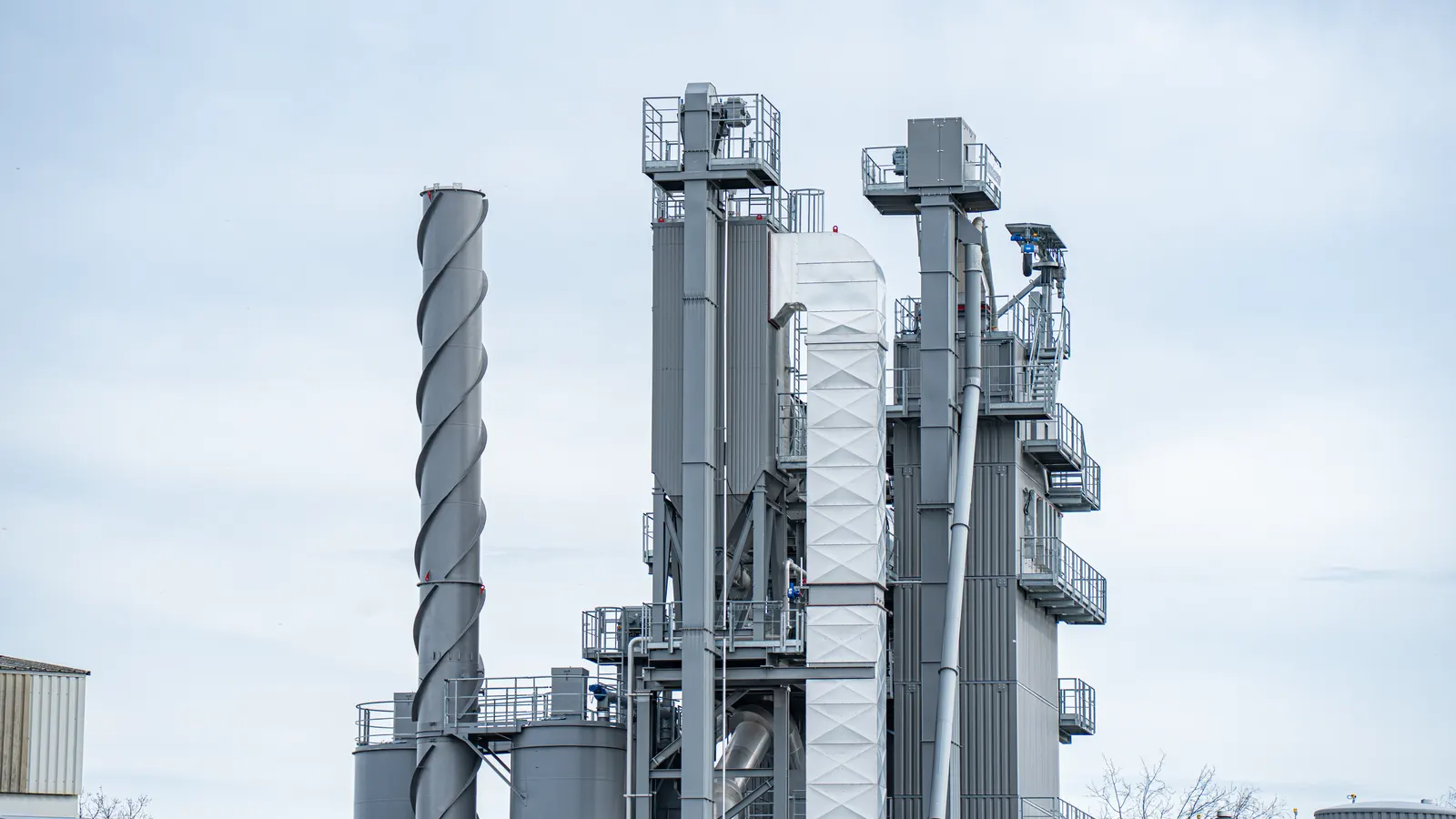
Baghouse filter media degradation shows as rising pressure drop, visible wear, or reduced collection efficiency. Inspect filter media for caking, tears, or loss of size

This guide provides a structured annual inspection checklist for dust collection systems. It covers filter media, housings, pressure drop, and structural integrity to
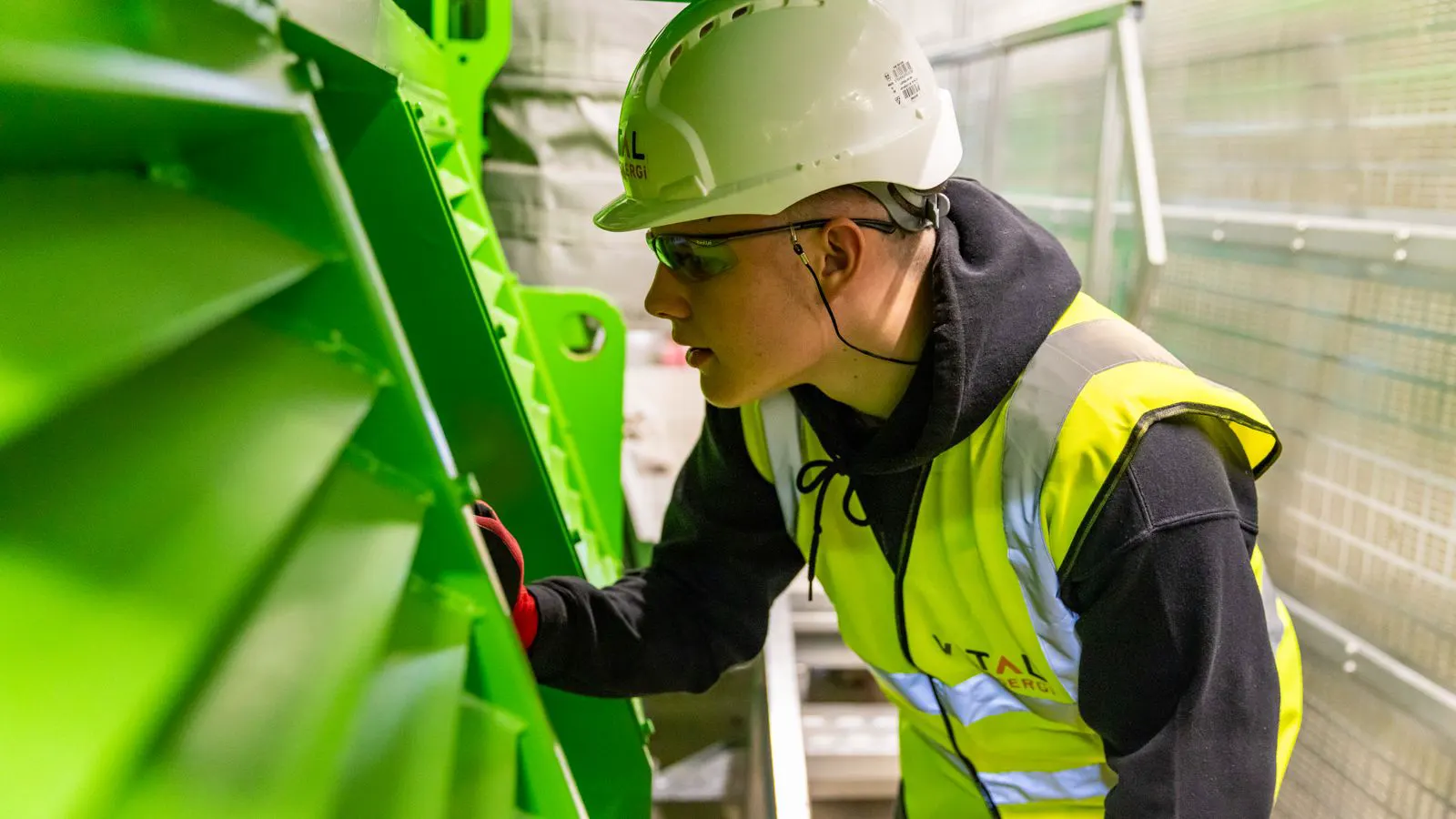
A structured filter replacement checklist covers media inspection, housing integrity, and cleaning system verification. This guide lists the tasks required during a
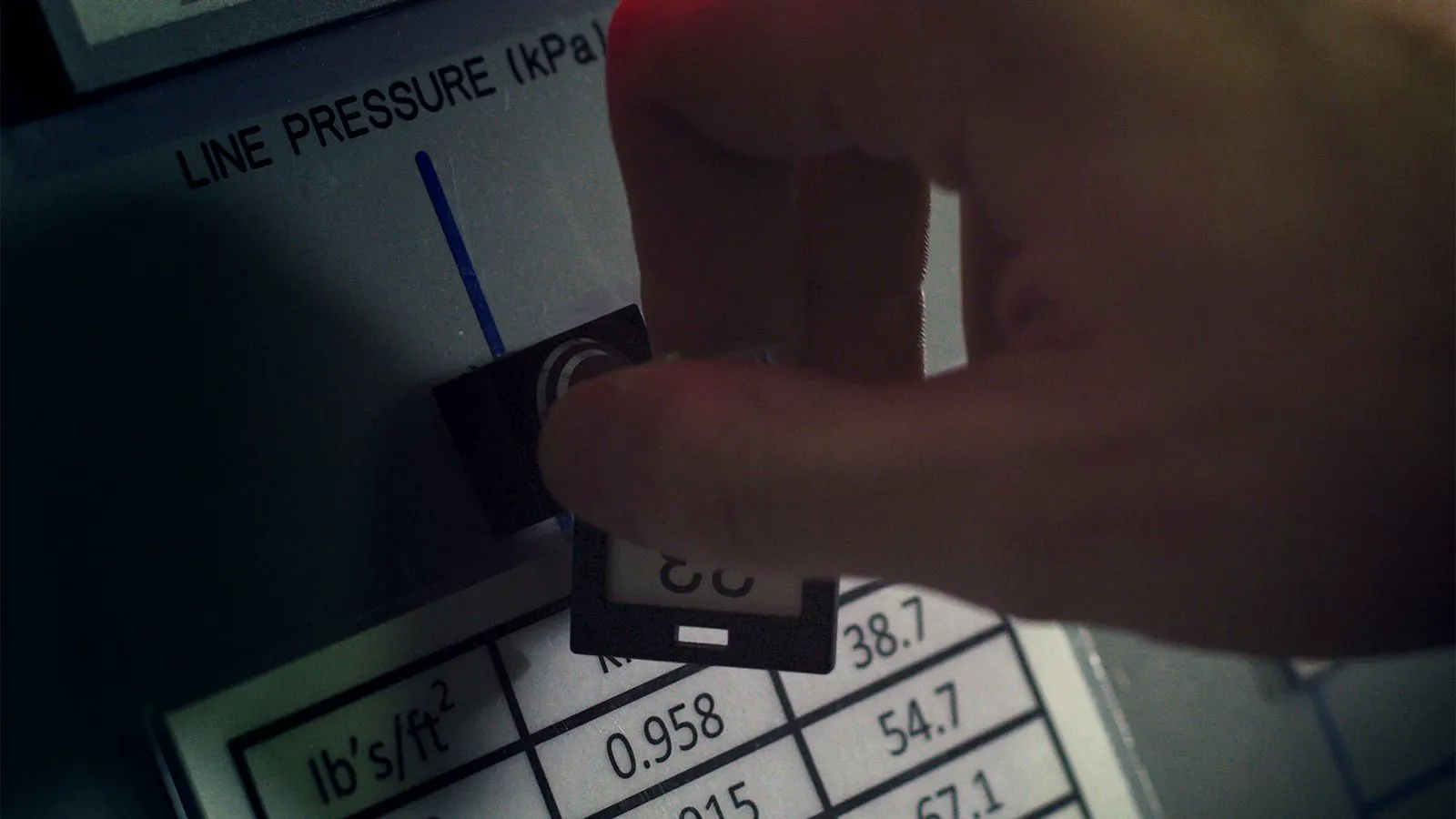
Persistent high pressure drop usually traces to clogged filters, weak blower airflow, or blocked ductwork. Check filter media condition, verify pulse cleaning cycles

A filter integrity test confirms that no air or dust bypasses the media. This guide provides a safe, step-by-step method to isolate the unit, verify seals, and check

Choose filter media based on particle abrasion, temperature, and cleaning method. PTFE handles high abrasion but costs more. Cotton or fiberglass suits milder loads.
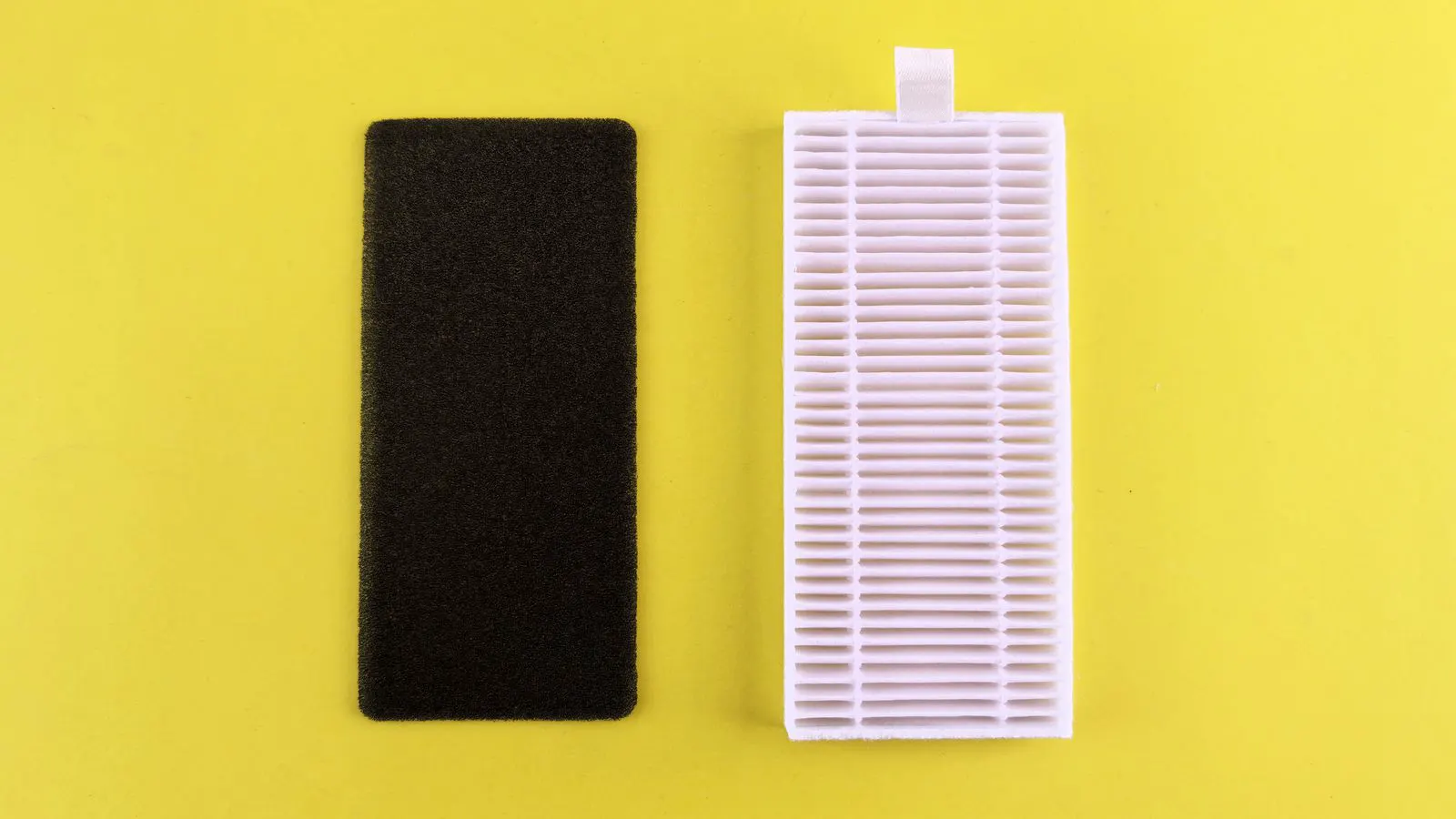
Dust collector pressure drop is the energy lost when air passes through filter media. It indicates the level of dust buildup and directly affects fan power consumption

Digital dust collector monitoring changes maintenance from calendar-based to condition-based. Sensors track pressure drops, fan speed, and filter load. This allows
Pulse jet cleaning is highly effective for both cartridge and baghouse systems when sized correctly. Cartridge units often offer better energy efficiency per unit of

PTFE filter media pricing and delivery depend on raw material availability, coating type, and order volume. Supply chains shift with resin costs and production capacity.