Baghouse filter media degradation shows as rising pressure drop, visible wear, or reduced collection efficiency. Inspect filter media for caking, tears, or loss of size, then decide whether to clean or replace based on symptoms and service history.
- Monitor pressure drop and visual media condition to detect degradation early.
- Use a structured troubleshooting table to match symptoms with causes and actions.
- Decide between cleaning and replacement based on wear type, media age, and service history.
- Follow scheduled inspections and integrity tests to extend filter life and avoid unplanned downtime.
Baghouse filter media degradation is one of the most common reasons collectors lose collection efficiency and require unplanned maintenance. The media is the working heart of the system. When it fails, the whole unit feels it through higher static pressure, reduced airflow, or dust leakage.
This guide focuses on identifying visible signs of media wear and deciding whether cleaning or replacement is required. You will see the symptoms, the likely causes, and the practical steps to take.
How to Read the Early Warning Signs
The first thing to check is the pressure drop across the filter. A healthy baghouse filter should operate within a steady range set by the manufacturer. If the pressure drop climbs slowly over weeks or months, the media is likely caking, loading, or losing its surface structure.
A sudden rise in pressure drop often points to a mechanical problem. A tear, a stuck valve, or a burst bag can increase resistance in seconds. A slow increase is usually related to dust loading, media aging, or the buildup of fines.
Also watch the collector discharge. If the system is collecting a high dust load, the media may be loading faster than the pulse cleaning cycle can remove. If the dust is very fine or sticky, the media surface can become coated. That coating increases resistance and makes the filters harder to clean.
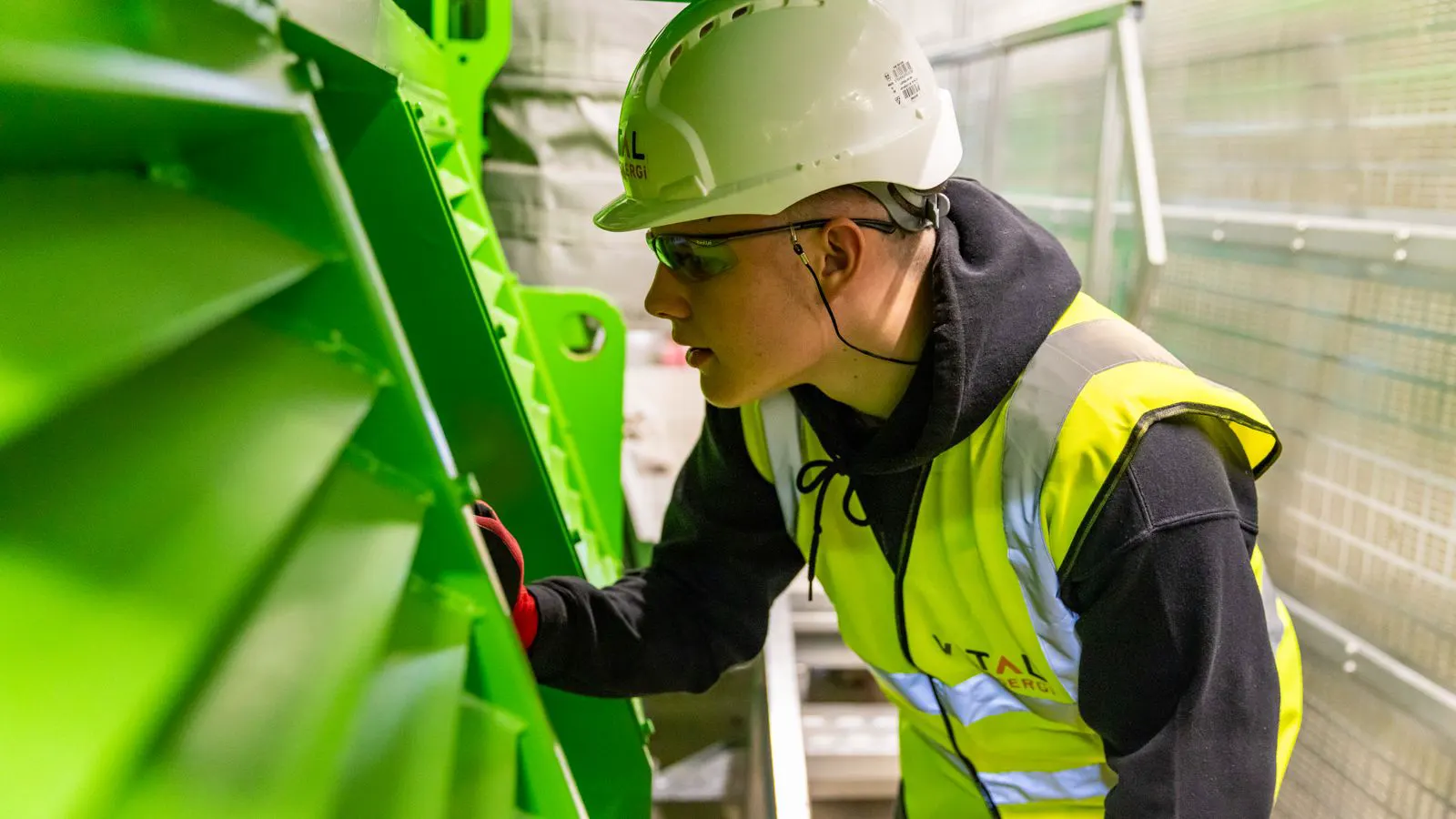
Visual inspection is the fastest way to confirm what the readings suggest. Open the filter house, pull out one or two filters, and look at the media surface. Check the top, the sides, and the bottom. Look for dark stains, hard crusts, visible tears, or media that feels brittle or soft.
Common Symptoms of Media Degradation
The symptoms below are the most frequent indicators that a baghouse filter needs attention. They are not always isolated. They often appear together.
| Symptom | Likely cause | What to do |
|---|---|---|
| Gradual rise in pressure drop | Dust loading, fine dust caking, or media aging | Inspect media, clean the system, and adjust pulse timing if needed |
| Sudden rise in pressure drop | Bag tear, burst valve, or stuck cleaning valve | Stop the system, isolate the section, and inspect the filter and valve assembly |
| Visible dust leakage | Torn media, damaged seams, or worn filter bags | Replace damaged filters and check the filter house for air bypass paths |
| Hard crust on filter surface | Sticky or high-moisture dust coating the media | Increase cleaning frequency, verify pulse pressure, and consider a different media type |
| Brittle or soft media feel | UV exposure, heat, or chemical degradation | Replace the filter and check the process temperature and dust composition |
| Uneven pressure across sections | Clogged filters in one zone or a stuck valve | Balance the cleaning cycles and inspect the affected zone for blockage |
A slow rise in pressure drop can be managed with cleaning. A sudden rise usually means a mechanical failure. The difference matters because the response is different.
What to Do When the Media Is Caked
Caking is one of the most common forms of media degradation. It happens when dust sticks to the filter surface and builds up in layers. The media may look dark on the outside, but the inner layers can be clean. This is why a visual check of the surface is not enough. You need to pull the filter and inspect the fabric.
If the caking is light, a full cleaning of the filter house and an adjustment of the pulse cleaning cycle may restore performance. If the caking is heavy, the media may have lost its permeability. In that case, replacement is usually the better option.
Check the dust composition before deciding. Fine dust, high moisture content, or sticky materials make caking more likely. If the dust is the problem, cleaning alone will not solve it. You may need to change the media type or add a pretreatment step.
When to Replace the Baghouse Filter
Filter replacement is not always about the age of the media. It is about the condition of the media. A filter that has been in service for a long time may still be healthy if it has been cleaned properly. A filter that is only a few months old may need replacement if it has been exposed to abrasive or chemical dust.
Replace the baghouse filter when the media has visible tears, when the fabric feels brittle, or when the pressure drop remains high after cleaning. If the media is soft, it may have lost its structural strength. If it is hard, the surface may be coated with a layer that cannot be removed by normal cleaning.
Replacement is also the right choice when the media has been exposed to a process change. A sudden shift in dust type, temperature, or humidity can shorten the life of the filter. If the process changed, inspect the media and consider whether the current filter is still the right match.
How to Perform a Safe Media Inspection
A media inspection should be done when the system is stopped or isolated. Do not open the filter house while it is under negative pressure. Lock out and tag out the power to the collector before opening any access panels.
Wear the right personal protective equipment. A dust collection system can contain respirable particles, and the filter house may contain accumulated dust. Use a dust mask or respirator, safety glasses, and gloves. If the dust is known to be hazardous, follow the site safety procedure.
When you open the filter house, look for signs of air bypass. Check the seams, the filter supports, and the door gaskets. If air is bypassing the media, the pressure drop will be lower than expected, and collection efficiency will drop. Fix the bypass paths before judging the media condition.
After the inspection, record the findings. Note the pressure drop, the media condition, and any repairs. This record helps you track the trend and plan the next inspection.
Prevention Tips for Longer Filter Life
Prevention is the best way to avoid media degradation. The first step is to match the filter media to the dust. Abrasive dust, high heat, and chemical dust each require a different media. If the media is not the right type, it will wear faster than expected.
The second step is to keep the pulse cleaning system healthy. A weak pulse valve will leave dust on the media. A stuck valve will cause uneven loading. Check the valves, the pulse tubes, and the timing controller on a regular basis.
The third step is to monitor the pressure drop. A trend line is more useful than a single reading. A slow rise can be caught early. A sudden rise can cause damage if it is not addressed.
The fourth step is to inspect the filter house for air leaks. Even small leaks can change the airflow and stress the media. Check the seams, the doors, and the gaskets during each maintenance visit.
The fifth step is to follow a maintenance schedule. Do not wait for a failure. A regular inspection checklist helps you catch problems before they become costly.
How to Decide Between Cleaning and Replacement
The decision between cleaning and replacement is based on three factors: the type of wear, the age of the media, and the history of the system.
If the wear is light caking, a full cleaning of the filter house and an adjustment of the pulse cycle may be enough. If the wear is a tear or a structural failure, replacement is required. If the media is old and the pressure drop is rising, replacement is usually the safer choice.
Do not replace filters just because they are old. Do not keep using filters just because they have not failed. Look at the condition and the trend. A short, focused inspection will usually give you the answer.
The right decision extends the life of the system and reduces unplanned downtime. It also protects the downstream equipment from excess dust.
Frequently asked questions
How often should I inspect the baghouse filter media?
Inspect the media on a scheduled basis, usually during planned maintenance. Increase the frequency if the pressure drop is rising or if the dust composition has changed.
Can I clean a baghouse filter that has a small tear?
A small tear may be temporary, but the media is no longer sealed. Replace the filter if the tear is in the media or if the dust leakage continues after cleaning.
What causes a sudden rise in pressure drop?
A sudden rise is usually caused by a mechanical problem, such as a torn bag, a stuck valve, or a blocked filter zone. Stop the system and inspect the affected section.
Is it safe to open the filter house while the collector is running?
No. Lock out the power and isolate the system before opening the filter house. The negative pressure and accumulated dust make it unsafe.
How do I know if the media is the wrong type for the dust?
If the media cakes, tears, or degrades quickly, it may not match the dust. Check the dust composition, temperature, and moisture content before selecting a new media.