Baghouse Collectors
Buyer's Guide: Selecting a Baghouse for Food Grade Dust
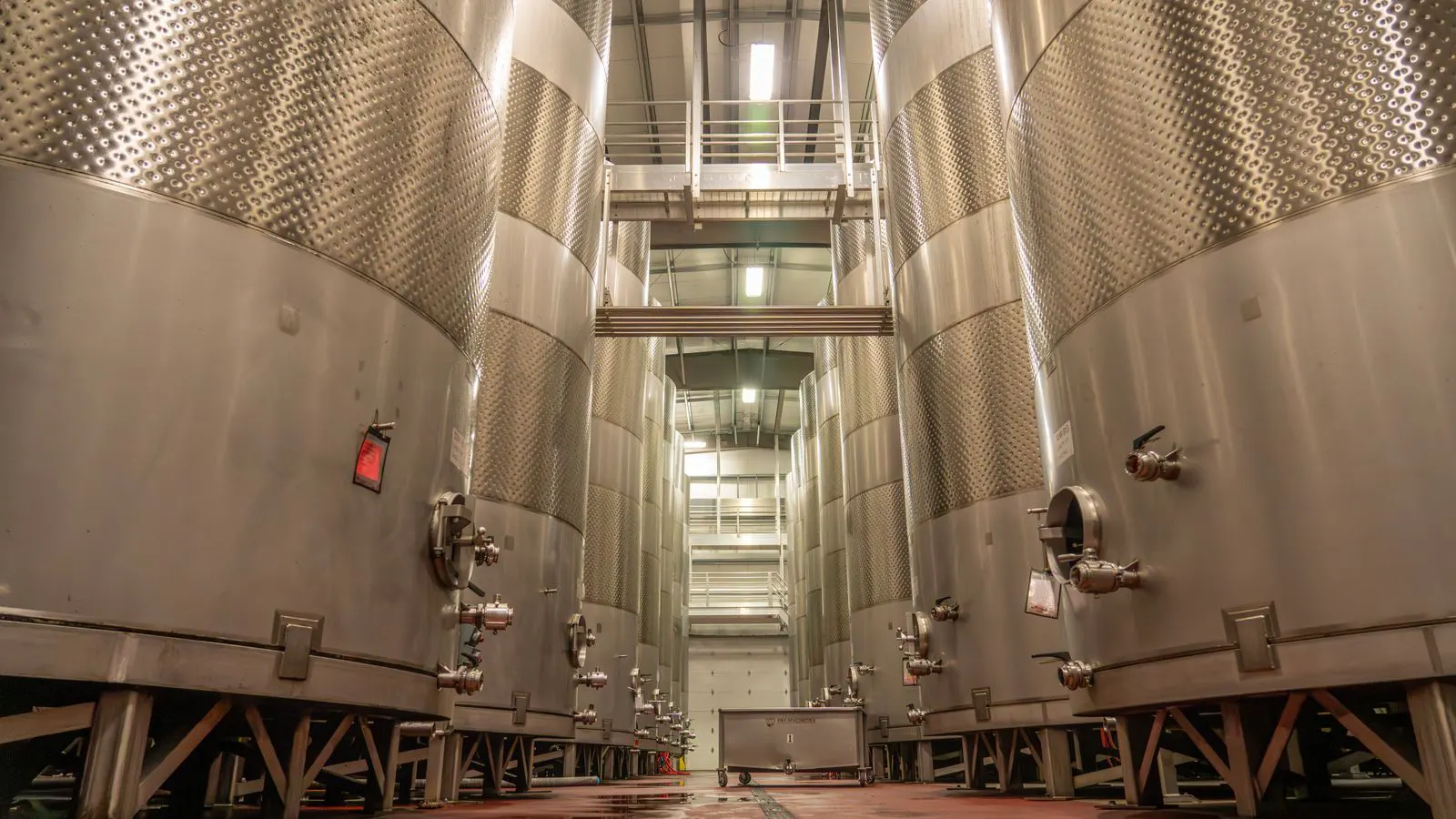
A food grade baghouse needs nonwoven or PTFE media, stainless steel housings, and easy-clean interiors. Evaluate seal integrity, discharge design, and CIP compatibility
Nov 21, 2026 · 14 min read
Baghouse Collectors
Baghouse Maintenance Checklist: Daily to Annual Tasks
A structured baghouse maintenance routine prevents costly downtime by catching pressure drop spikes, media damage, and mechanical wear early. This checklist organizes
Nov 20, 2026 · 7 min read
Explosion Safety
Buyer's Guide to ATEX Certified Dust Collection Equipment
ATEX certification ensures dust collection equipment is safe for explosive atmospheres. This guide explains how to verify documentation, check zone ratings, and evaluate
Nov 19, 2026 · 8 min read
Baghouse Collectors
Baghouse Lead Times and Costs: What to Expect in 2026
Baghouse cost and lead time depend on airflow, filter media, controls, and market conditions. A clear RFQ and fair quote comparison help you budget accurately and
Nov 18, 2026 · 8 min read
Choosing a Supplier
Cartridge vs Baghouse: Support and Warranty Differences
Cartridge and baghouse dust collectors differ in support complexity. Cartridge units often offer simpler filter replacement plans, while baghouses typically require
Nov 17, 2026 · 6 min read
Maintenance & Filters
Buying Guide: PTFE vs Felt Filters for High Temp
PTFE filters handle higher sustained temperatures than felt but cost more and require careful sizing. Felt offers lower initial cost but limits maximum operating
Nov 16, 2026 · 8 min read
Explosion Safety
Cost and Lead Time for Industrial Dust Suppression Systems
Industrial dust suppression systems vary in price and delivery time based on system size, material, and safety requirements. This guide breaks down the main cost drivers
Nov 15, 2026 · 6 min read
Standards & Compliance
Outlook: How Remote Monitoring Is Reshaping Dust Compliance
Remote monitoring shifts dust collection from periodic manual checks to continuous data verification. Engineers must plan for automated compliance reporting, predictive
Nov 14, 2026 · 6 min read
Standards & Compliance
Buyer's Guide: Selecting Cyclones for High-Humidity Facilities
High humidity accelerates corrosion and clogs cyclones. Proper cyclone selection requires evaluating material compatibility, inlet design, and separation efficiency.
Nov 13, 2026 · 10 min read