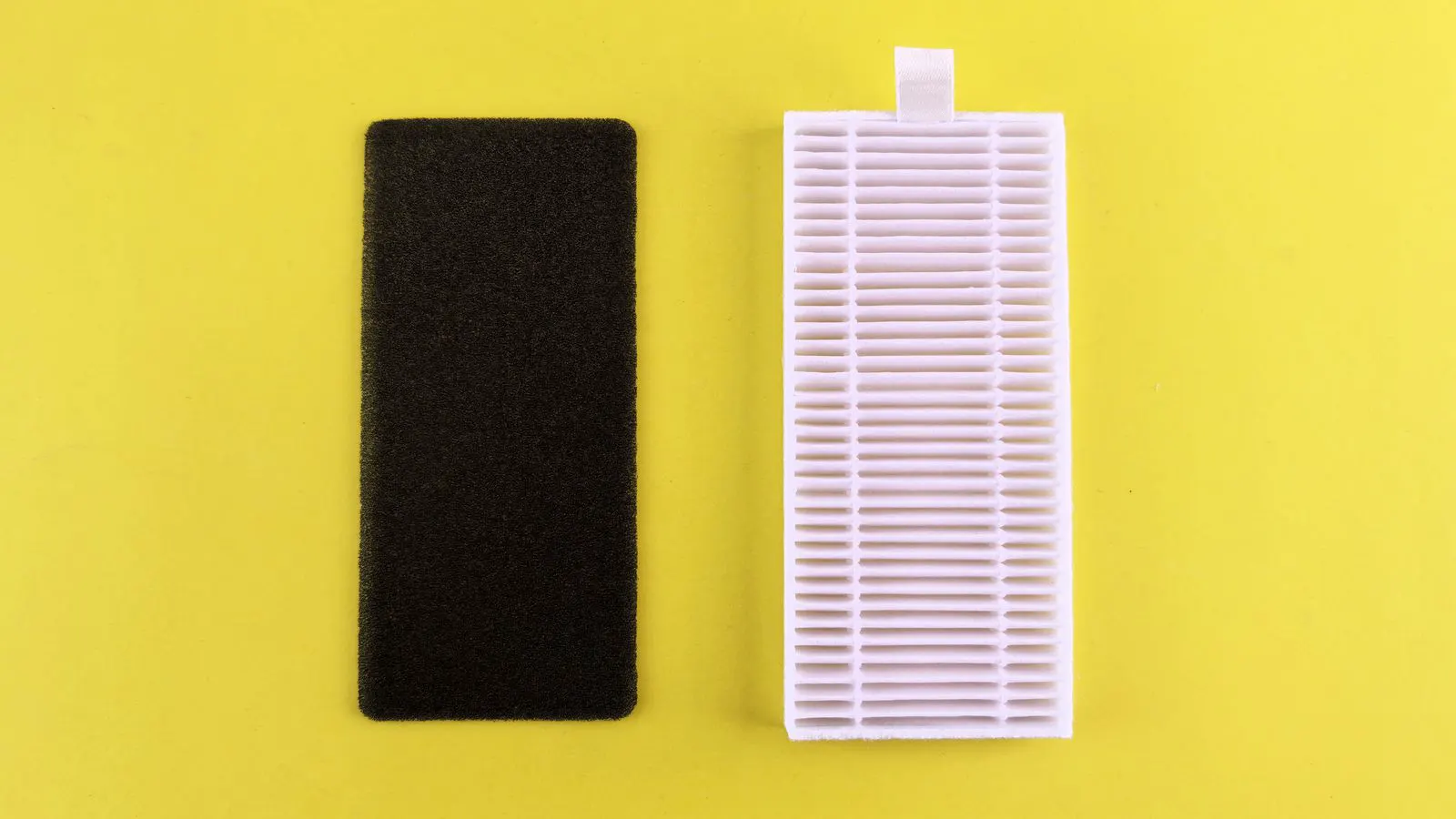
Choose filter media based on particle abrasion, temperature, and cleaning method. PTFE handles high abrasion but costs more. Cotton or fiberglass suits milder loads. Match media to your dust collector media replacement cycle.
- Match media stiffness to particle abrasion to prevent fiber breakage and early pressure drop spikes.
- PTFE media handles abrasive dust better than cotton or fiberglass but demands a higher upfront budget.
- Select the right cleaning cycle to prevent media saturation and keep filtration efficiency stable.
- Track filter life with pressure drop and airflow data to avoid premature replacement.
Why Abrasive Dust Changes Filter Selection
Standard dust collection assumes dust particles behave like fine powder. Abrasive dust behaves differently. Silica, glass, metal oxide, or mineral particles cut through filter fibers. This physical wear shortens media life and raises pressure drop faster than non-abrasive dust. The filter media selection process must account for particle shape, hardness, and concentration, not just particle size.
When abrasive particles strike a porous filter, they do not just settle. They shear fibers, pack pores, and create local blockages. A media that works for organic dust may clog in weeks under abrasive loads. Selecting the wrong material forces frequent replacement, increases downtime, and raises operating cost.
Consider a masonry sand application. The particles are sharp and hard. When they hit a standard polyester felt, they act like tiny knives. The fibers fray at the surface. Over time, the porous structure collapses. Airflow decreases. The system works harder to pull the same volume of air. The fan energy consumption climbs. Eventually, the media becomes saturated and cannot be cleaned effectively. The only option is replacement. If the media is chosen based on particle size alone, the failure is inevitable. The selection must look at the abrasive nature of the material.
Material Options for Heavy Particle Handling
Filter materials vary in fiber strength, porosity, and chemical resistance. Common choices include polyester felt, fiberglass, cotton, and polytetrafluoroethylene, or PTFE. Each material balances cost against durability.
Cotton and polyester felt are the baseline. They are inexpensive and work well for soft, low-abrasion dust. Under abrasive loads, however, these fibers compress and tear. Replacing them on a fixed schedule often means spending on media that still has usable life. Cotton fibers are organic and soft. They lack the tensile strength needed to withstand repeated impact from hard mineral particles. Polyester is stronger than cotton but still vulnerable to sharp edges. In applications with glass or ceramic dust, these materials suffer rapid wear. The cost of frequent replacement can exceed the initial savings of using cheaper media.
Fiberglass media adds stiffness and heat resistance. It resists abrasion better than cotton but is still more vulnerable than PTFE. It suits applications where temperature reaches moderate levels and abrasive particles are less aggressive. Fiberglass fibers are inorganic and stiff. They handle heat and some chemical exposure better than organic fibers. However, they can be brittle. If the pulse jet cleaning system is too aggressive, the fibers can break. The media may also suffer from abrasion at the surface layer, leading to clogging and increased pressure drop. It is a middle-ground option. It costs more than felt but less than PTFE. The service life depends heavily on the cleaning method and the severity of the dust.
PTFE media is the standard for heavy abrasive dust. The polymer resists chemical attack and physical shear. PTFE also repels moisture and fine dust, which helps maintain airflow. The trade-off is cost. PTFE media costs more per square foot and has longer lead times. The price difference matters when replacement cycles are short. PTFE is a synthetic polymer. Its fibers are highly elastic and resistant to cutting. It maintains its pore structure under aggressive cleaning cycles. It also has low surface energy, meaning dust does not stick to it easily. This reduces the load on the cleaning system and extends the time between cleaning pulses. For applications with continuous abrasive loads, PTFE often provides the best long-term value despite the higher upfront cost.
Criteria for Evaluating Media Performance
The table below lists the main factors that determine which media fits an abrasive dust application.
| Criterion | What to look for | Why it matters |
|---|---|---|
| Fiber Strength | High tensile strength and low fiber breakage | Abrasive particles cut fibers. Strong media resists shear damage. |
| Porosity | Stable pore structure under load | Pore collapse increases pressure drop and reduces airflow. |
| Coating Type | PTFE or polyurethane coatings | Coatings repel moisture and fine dust to keep pores open. |
| Temperature Rating | Continuous service temperature | Heat softens fibers and weakens adhesive bonding. |
| Chemical Resistance | Resistance to acids, alkalis, and solvents | Corrosive dust degrades fibers and reduces filter life. |
| Cleaning Method | Compatibility with pulse jet or reverse air | Incorrect cleaning causes saturation and media damage. |
Pressure Drop and Media Life
Pressure drop is the direct measure of media condition. As abrasive dust loads the filter, the pressure drop across the collector rises. A steady rise is normal. A sudden spike indicates physical damage or saturation.
A healthy filter should show a gradual increase in differential pressure over the cleaning cycle. If the pressure drop jumps after a single pulse or cleaning event, the media may be damaged. This often means the fiber structure has collapsed or a coating has failed.
Monitoring pressure drop helps determine replacement timing. Replacing media only when the pressure drop hits a limit extends the useful life of the filter. It also prevents over-purging, which can damage PTFE media. A simple rule is to replace media when the pressure drop exceeds the baseline by a set threshold, rather than on a calendar.
Consider a baghouse collector with a baseline pressure drop of 400 pascals. As dust accumulates, the pressure drop rises to 500, then 600 pascals. This is expected. The cleaning system removes the dust, and the pressure drop drops back toward the baseline. If the pressure drop reaches 1000 pascals and does not drop after cleaning, the media is likely saturated or damaged. Continuing to operate at high pressure drop increases fan energy and can cause the fan to overheat. It can also stress the bag or cartridge seams, leading to leaks. The operator should shut down and inspect the media. If the media is PTFE, the coating may have failed. If it is felt, the fibers may have compressed. In both cases, replacement is necessary. Waiting until the pressure drop is extremely high risks catastrophic failure of the media.
Cleaning Methods and Media Protection
The cleaning method affects how abrasive dust interacts with the filter. Pulse jet cleaning uses short bursts of compressed air to dislodge dust. Reverse air cleaning reverses airflow through the media. Both methods require media that can withstand the mechanical stress of cleaning.
Pulse jet systems are common in cartridge and baghouse collectors. The air pulses can be aggressive. If the media is too soft, the pulses can cause fiber breakage. PTFE media handles pulse jet cleaning well because the polymer is stiff and elastic.
Reverse air cleaning is gentler but often requires a larger fan and more complex piping. It is common in baghouses. The media must resist repeated airflow reversal. Fiberglass and polyester media may degrade faster under frequent reverse cycles.
The cleaning cycle length matters too. Short cycles remove dust more frequently but increase mechanical stress. Long cycles allow dust to build up, increasing the load on the next cleaning pulse. The goal is to find a balance where the media stays clean enough to maintain airflow but is not subjected to unnecessary cleaning cycles.
For example, a pulse jet system with a 5-second cycle might be too aggressive for a delicate fiberglass media. The repeated impact can loosen the fibers and cause the pores to close. A longer cycle, say 15 seconds, allows the dust layer to build up more uniformly. The next pulse then removes the dust more effectively with less shock to the media. The operator must tune the cleaning system to match the media. This is often an area of neglect. Buyers select the media but do not coordinate with the cleaning system design. The result is premature media failure. The media and the cleaning system are a single unit. They must be designed together.
Chemical and Temperature Considerations
Abrasive dust is often mixed with other contaminants. Metal powders, chemical residues, or moisture can alter the media behavior. A PTFE coating may handle abrasive particles well but fail if exposed to high-temperature hydrocarbons.
Temperature is a common failure point. Polyester media softens at higher temperatures. Fiberglass handles heat better but has a limited upper range. PTFE media can operate at high temperatures without losing strength. If the dust stream exceeds 150 degrees Celsius, check the maximum continuous temperature rating for each media type.
Chemical exposure also matters. Acidic dust can degrade cotton and some coatings. Alkaline dust can attack fiberglass. The media selection must match the chemical profile of the dust. A simple dust sample analysis helps identify the main contaminants and their chemical nature.
Consider a metal grinding application. The dust is abrasive and hot. It may contain metal oxides and fine particles. The temperature can fluctuate. If the PTFE media is rated for 260 degrees Celsius, it will handle the heat. If the dust contains acidic compounds, the PTFE coating will resist them. However, if the dust contains hydrocarbons at high temperatures, the PTFE may degrade. The operator must check the chemical compatibility. A dust sample analysis can reveal the presence of acids or solvents. This information guides the media selection. Without it, the media may fail unexpectedly. The cost of a failed media is not just the replacement cost. It is the downtime and the potential for dust release. The media must be chosen to handle the full range of contaminants.
Decision Checklist for Final Selection
Use this checklist to confirm the media choice before ordering.
- Confirm the dust particle hardness and shape. Abrasive particles need stronger fibers.
- Check the maximum temperature of the dust stream. Match the media rating to the service temperature.
- Identify any chemical contaminants in the dust. Ensure the media resists acids, alkalis, or solvents.
- Review the cleaning method. Match the media stiffness to the pulse jet or reverse air system.
- Estimate the expected pressure drop limit. Choose media that reaches the limit only after a reasonable service period.
- Verify lead time and stock availability. PTFE media often has longer lead times than standard felt.
Common Mistakes in Media Selection
Many buyers choose media based on price alone. A cheap cotton filter may fail after a few weeks in an abrasive environment. The cost of frequent replacement often exceeds the initial savings.
Another mistake is ignoring the cleaning system. A PTFE media may be the right choice for the dust, but if the pulse jet system is poorly tuned, the media will still suffer damage. The system and media must work together.
Some buyers also skip the dust analysis. Without knowing the particle hardness and chemical makeup, it is hard to predict media life. A simple sample test can prevent a costly wrong choice.
Finally, do not assume that a thicker media is always better. A heavier weight does not guarantee better abrasion resistance. The fiber type and coating matter more than the weight per square foot.
A specific example of the price-only mistake is a buyer who selects a low-cost polyester felt for a sand application. The initial cost is low. The media fails after two months. The replacement cost, including labor and downtime, is higher than the PTFE media would have been over the same period. The buyer does not realize the true cost of ownership. The media selection is a long-term investment. The initial price is only a small part of the total cost. The buyer must consider the service life, the cleaning method, and the dust characteristics. The media must be chosen to match the application. A mismatch leads to failure. The checklist above helps prevent these mistakes. The buyer should verify each criterion before ordering. The media selection is a technical decision. It requires careful analysis. The goal is to choose the right media for the job. This ensures long-term performance and lower operating costs. The buyer should also consider the supplier’s technical support. A good supplier will help with the media selection and provide guidance on cleaning system tuning. The media selection is not a one-time event. It is an ongoing process. The buyer should monitor the pressure drop and adjust the cleaning system as needed. The media selection is part of a larger system. It must be integrated with the cleaning system, the dust characteristics, and the operating conditions. The buyer should take a holistic approach to media selection. This approach ensures that the media performs as expected. The media selection is a critical part of dust collection. It affects the system’s performance, cost, and reliability. The buyer should invest in the right media.
Frequently asked questions
Can PTFE media be used for all abrasive dust applications?
PTFE handles most abrasive dust well, but it has temperature and chemical limits. Check the specific dust composition before selecting PTFE.
How often should I replace filter media in an abrasive dust collector?
Replacement depends on dust load, cleaning cycles, and media condition. Track pressure drop and replace when the limit is reached, not on a fixed schedule.
Is fiberglass better than polyester for abrasive dust?
Yes. Fiberglass is stiffer and more heat resistant than polyester, so it lasts longer under abrasive loads.
What causes sudden pressure drop spikes in a dust collector?
Sudden spikes usually indicate media damage, such as fiber breakage or pore collapse. Check the cleaning system and media condition.
Should I buy PTFE media if the dust is only mildly abrasive?
Not always. Mildly abrasive dust may work with fiberglass or coated polyester. PTFE is best for heavy or aggressive abrasive loads.